Bollards are expected to have remarkable characteristics that ensure they withstand different types of impacts. Standard types of bollards can function effectively in normal environments but may not be able to withstand the impact from coastal areas.
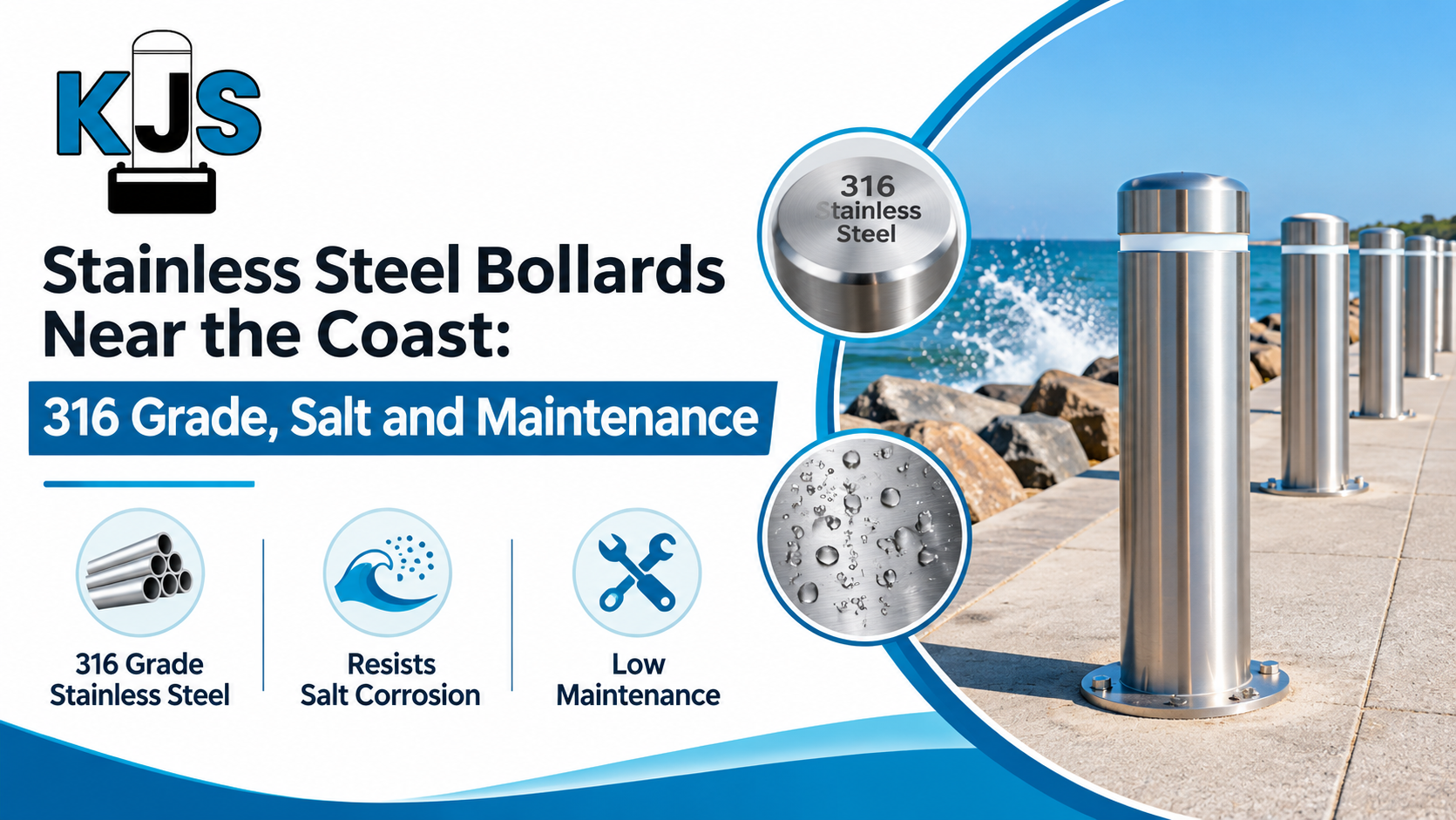
Coastal areas are characterised by high levels of chloride or salts; these elements cause gradual, severe impact on the bollards, which in time results in rusting or discoloration, limiting their timeframe of functionality. As such, when planning to invest in bollards in coastal areas, no type of bollard can function effectively. The most suitable type would be the 316-grade stainless steel bollard for coastal areas. Read this blog to understand why such types of bollards function effectively in coastal areas.
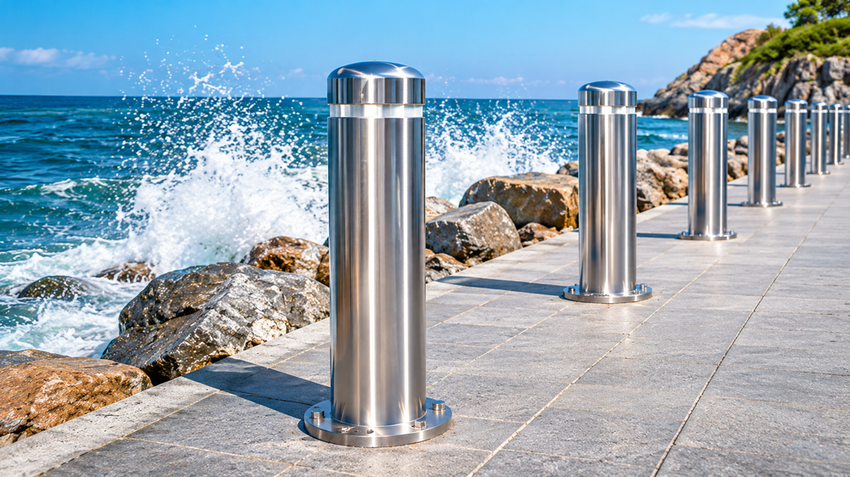
Types and styles of 316-grade bollards
Removable bollards: They are designed with a key mechanism that allows them to be removed or lowered, which offers temporary vehicle access.
Fixed bollards: They are meant for permanent functionality; as such, they are mounted into concrete ground, mainly effective for regulating continuous traffic.
Design features: They are manufactured with various designs, offering illuminated styles, semi-domed, and flat-top.
Here are the areas where they come in handy
Coastal and marine applications: They can be installed in beachside paths, boardwalks, or docks.
Winter zones: They are effective in building entrances, parking garages, and sidewalks. The manufacturing material has the ability to withstand chemical de-icers and harsh weather.
Commercial and architectural perimeters: They can be installed in areas like swimming pool perimeters, retail shopfronts or plazas to function for both pedestrians and vehicles.
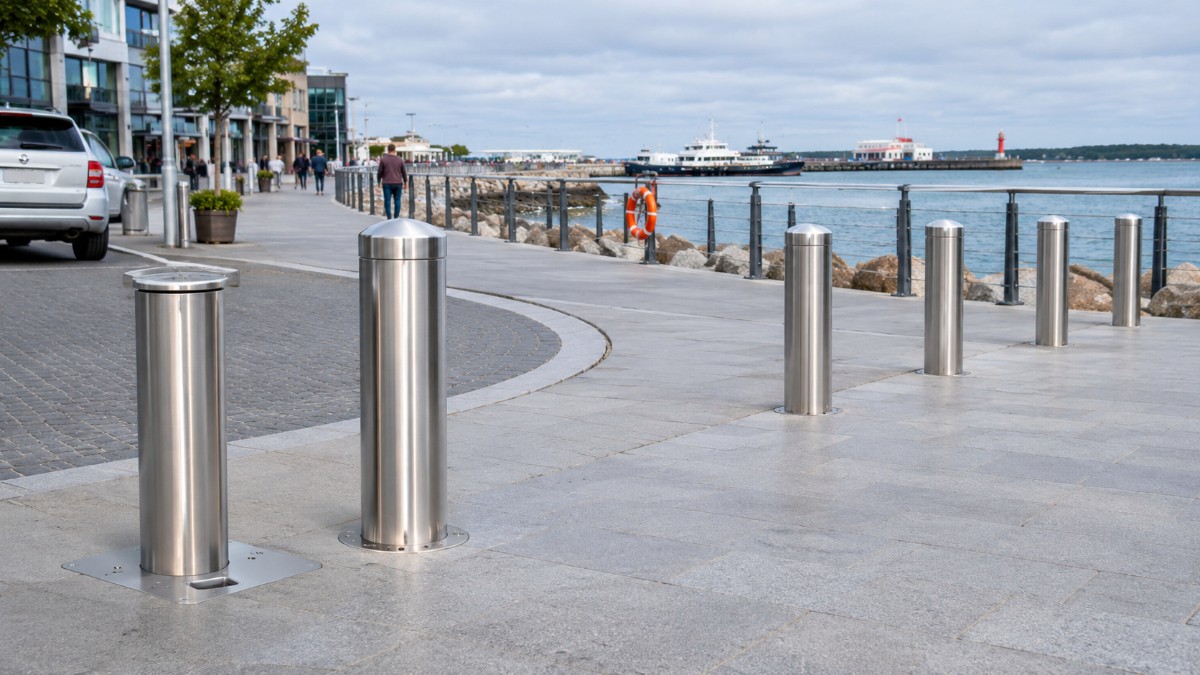
Here is why the 316-grade bollards are effective
Their manufacturing content: These bollards are manufactured from components like molybdenum, which is an element that stabilizes a metal’s oxide layer, needed for high resistance against chemicals, salts, acids and pitting corrosion.
They offer aesthetic appeal: The stainless steel has a smooth finish, offering a clean appearance that is suitable for public areas, commercial areas or residential areas.
Offers low maintenance: The manufacturing material enables low maintenance because of its clean and smooth steel finish that requires simple cleaning, unlike carbon bollards that require regular maintenance.
Why are 316 Grade bollards mostly regarded in coastal areas?
They offer high chloride resistance: Standard stainless steel has less resistance to chloride that is released from the marine moisture, salt spray or ocean air. The tiny chloride particles cause gradual rusting and pits, which destroy the integrity of the material in the long run. The element of molybdenum in the composition of stainless steel acts as a double protective layer to sustain the steel's integrity.
They are resistant to discoloration: A consistent exposure to damp areas has an impact on steel; the water particles cause a brown discoloration, which affects the appearance of the bollards, making them look uncared for and unappealing. The 316 grade steel has the ability to withstand the discoloration caused by rust.
Lower maintenance: The composition of 316 grade provides a clean appearance that does not require painting, hence making it easy to maintain.
Structural safety and harbors: The 316 grade bollards are mostly installed in areas that protect both people and vehicles; they are usually installed in areas like waterfronts, piers or marinas.
Bottom line
The different types of bollards may have similar functionalities, but they can be affected by their environment, which is why the 316 grade bollards function effectively even under the impact of salts and chlorides.
After selecting the right type of bollards, another important consideration is the embedded design. Analyse the type of environment where you plan to install the bollards: parking areas, commercial areas, high traffic areas or residential areas. You will need what works best for the specific zone. KJS Bollards can offer different designs of the 316 stainless steel bollard coating so that you can review them and select the suitable type of bollards for your area.